
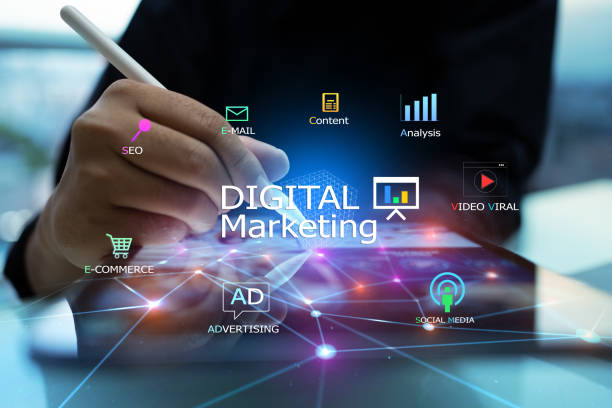

Imagine opening your favorite app and instantly seeing products or services that match your exact interests—even before you search for them. That’s the power of AI-driven personalization in today’s digital world. It has transformed how brands communicate, making interactions more relevant and engaging. For learners exploring digital marketing courses in Pune, understanding this concept is essential to stay competitive in the evolving marketing landscape.
AI-powered personalization refers to the use of artificial intelligence to deliver tailored experiences based on user behavior, preferences, and data. Unlike traditional methods that relied on basic segmentation such as age or location, AI goes deeper by analyzing browsing habits, purchase history, engagement patterns, and even device usage. This allows businesses to create highly customized interactions that feel natural and helpful rather than promotional.
The importance of personalization has grown significantly because modern consumers are constantly exposed to content. Every day, users encounter countless ads, emails, and social media posts. In such an environment, generic messaging often gets ignored. People now expect brands to understand their needs and deliver relevant solutions quickly. Personalized marketing not only grabs attention but also builds stronger connections with customers.
AI plays a crucial role in making personalization scalable and efficient. One of its biggest strengths is real-time data analysis. AI systems can process large volumes of data instantly, allowing marketers to understand what users are doing at any given moment. This enables businesses to respond immediately with relevant recommendations, offers, or content, improving the overall user experience.
Another powerful capability of AI is predictive analytics. Instead of just analyzing past behavior, AI predicts future actions. For example, if a customer frequently purchases fitness-related products, AI can suggest similar items even before the customer starts searching. This proactive approach enhances customer satisfaction and increases the likelihood of conversions.
Dynamic content personalization is another area where AI excels. Websites and apps can now display different content to different users based on their behavior. A first-time visitor might see introductory offers, while a returning customer might see loyalty rewards. This level of customization ensures that each user experiences content that is most relevant to them.
AI-powered chatbots and virtual assistants have also revolutionized customer interaction. These tools provide instant responses, guide users through the buying process, and offer personalized suggestions. They not only improve customer satisfaction but also reduce the workload on support teams, making operations more efficient.
Email marketing has also been transformed by AI personalization. Instead of sending the same message to everyone, businesses can now create highly targeted email campaigns. AI can customize subject lines, content, and even the timing of emails based on user behavior. For instance, if a customer abandons a cart, an automated email with a personalized offer can be sent at the right moment to encourage completion of the purchase.
AI-powered personalization is widely used across industries. In e-commerce, it helps recommend products, optimize pricing, and display personalized offers. Streaming platforms use AI to suggest content based on viewing history, keeping users engaged for longer periods. In banking and finance, AI provides personalized financial advice and detects unusual activities. Even healthcare is benefiting from AI by offering customized treatment plans and health recommendations.
The benefits of AI-powered personalization are significant. It enhances customer experience by making interactions more relevant and meaningful. It improves conversion rates because users are more likely to engage with content that matches their interests. It also strengthens customer retention by building long-term relationships. Additionally, it increases efficiency by automating processes and reducing manual effort.
However, despite its advantages, AI personalization comes with challenges. Data privacy is a major concern, as users are becoming more aware of how their information is used. Businesses must ensure transparency and comply with regulations. Over-personalization can also feel intrusive if not handled carefully. Striking the right balance is crucial to maintain trust. Additionally, over-reliance on AI may reduce human creativity, which is still an essential part of effective marketing.
Looking ahead, the future of AI-powered personalization is even more advanced. Hyper-personalization will become the norm, where experiences are tailored in real time based on user behavior, location, and preferences. Voice and visual personalization will grow as more people use voice assistants and image-based search. AI-generated experiences will allow websites to adapt dynamically for each user, creating unique journeys. Emotional AI may even enable systems to understand user emotions and respond accordingly.
The rise of AI personalization is also creating new career opportunities. Roles such as personalization specialists, AI marketing analysts, data strategists, and automation experts are in high demand. For individuals aiming to build a career in this field, enrolling in programs like digital marketing courses in Pune with placement can provide practical exposure and help develop job-ready skills.
To succeed in AI-driven marketing, certain skills are essential. Marketers need to understand data analysis, AI tools, customer journey mapping, content strategy, and automation platforms. These skills help in creating effective personalization strategies and staying relevant in a competitive industry.
For those looking to implement AI-powered personalization, starting with the basics is important. Collecting quality data is the first step, as accurate data leads to better insights. Using the right AI tools can simplify analysis and automation. Segmenting the audience, even at a basic level, can improve targeting. Continuous testing and optimization are necessary to refine strategies. Most importantly, personalization should focus on adding value to the user experience rather than just driving sales.
In conclusion, AI-powered personalization is not just a trend—it is shaping the future of digital marketing. It enables businesses to connect with customers in a more meaningful and effective way. However, success depends on balancing technology with human creativity and ethical practices. Brands that use AI responsibly while maintaining a human touch will stand out in the crowded digital space. As the industry continues to evolve, staying updated and continuously learning will be the key to long-term success.